CHEM 548: Materials Chemistry
Lecture 7: Important Ternary and Quaternary Structures
Reading: Woodward, Karen, Evans, and Vogt, Solid State Materials Chemistry
Ch. 1 §1.5
Learning Objectives
- Recognize the structural features of Spinel, Garnet, and Perovskite lattices.
- Understand how cation site preferences (tetrahedral vs. octahedral) shape these structures.
- Relate these structures to functional properties (magnetism, lasers, ferroelectricity, piezoelectricity).
- Apply Pauling’s rule of parsimony and coordination number analysis to complex solids.
- Use the tolerance factor concept to predict perovskite stability and distortions.
Spinel
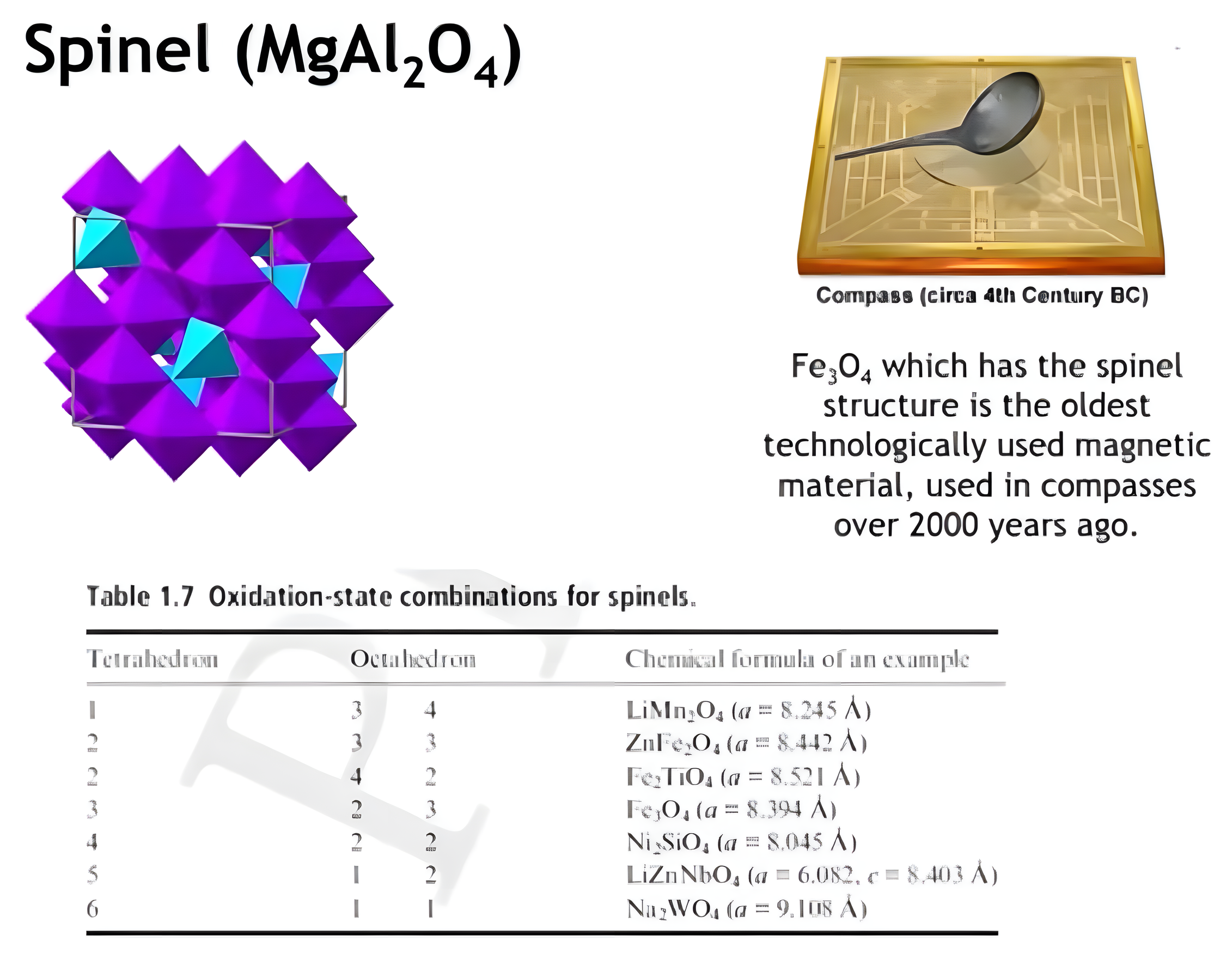
Spinel Structure
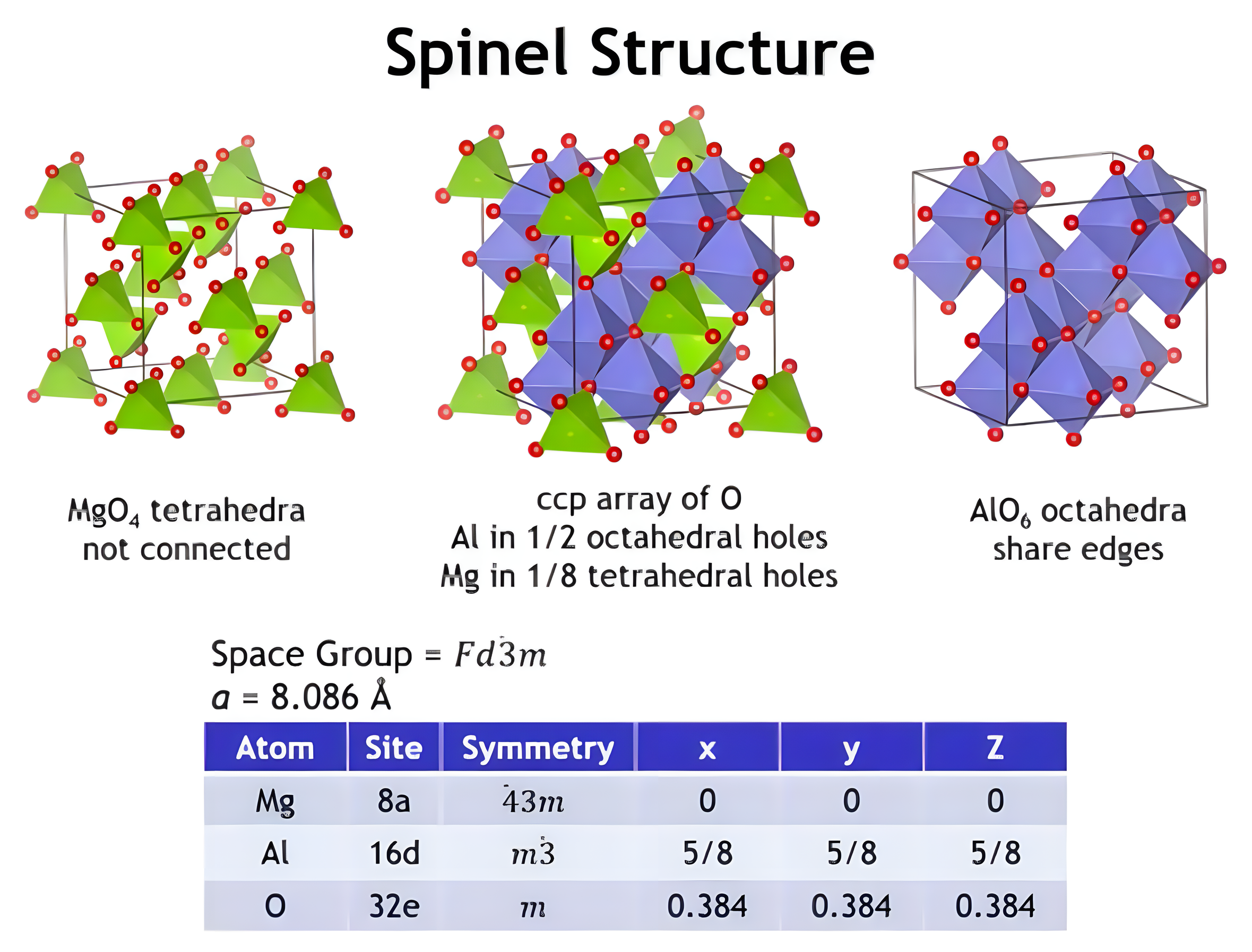
Bond graph
Crystal-chemical formula
Normal spinel
Inverse spinel
Garnet
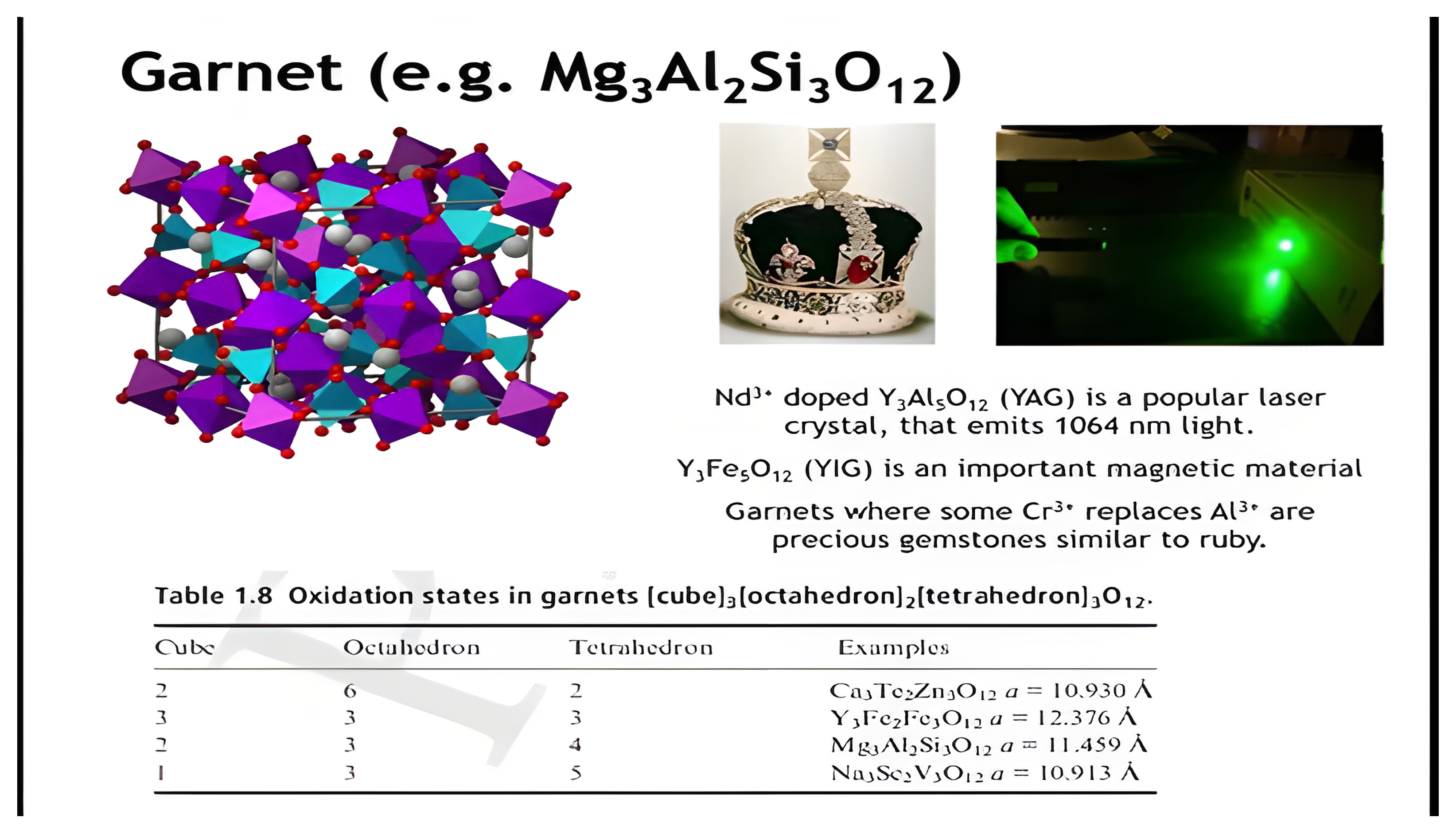
Wyckoff-site detail
Crystal-chemical formula
Perovskite
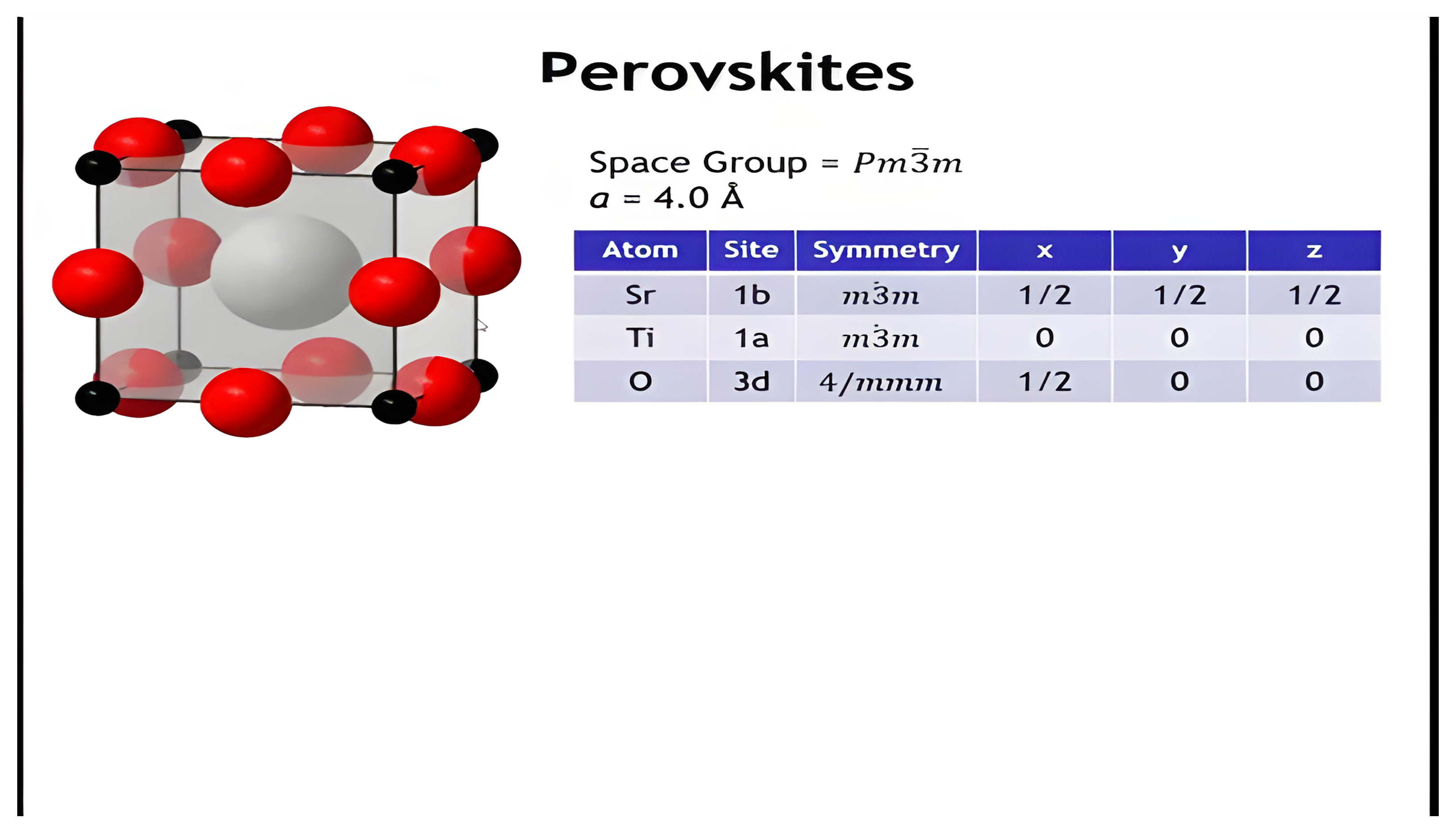
Crystal-chemical formula
Coordination environments
Tolerance Factor
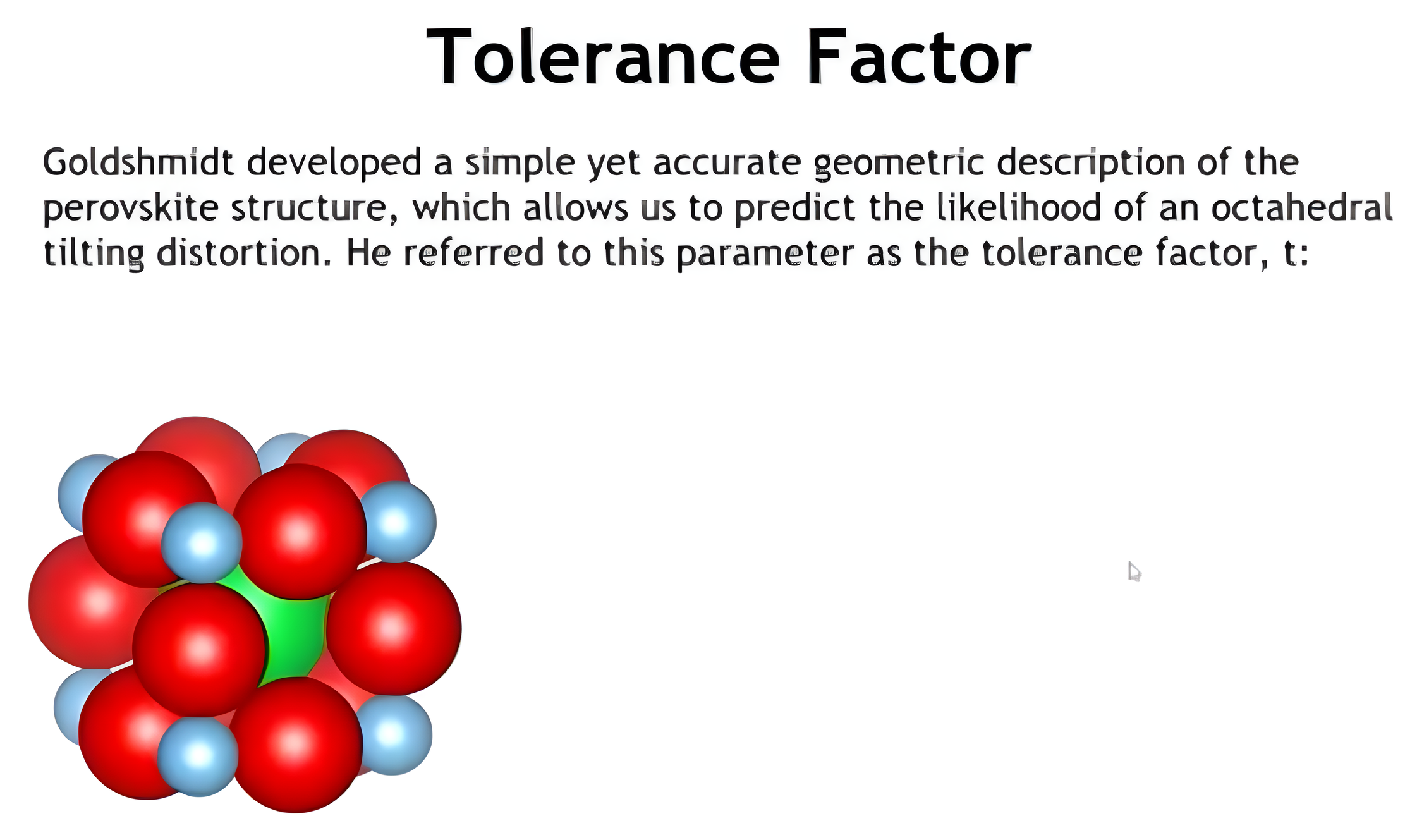
Unit-cell geometry
Two expressions for the cell edge
Goldschmidt tolerance factor
Tolerance-factor interpretation
$t = 1$ means a perfect fit.
Per Solid State Materials Chemistry, Ch. 1 §1.5.
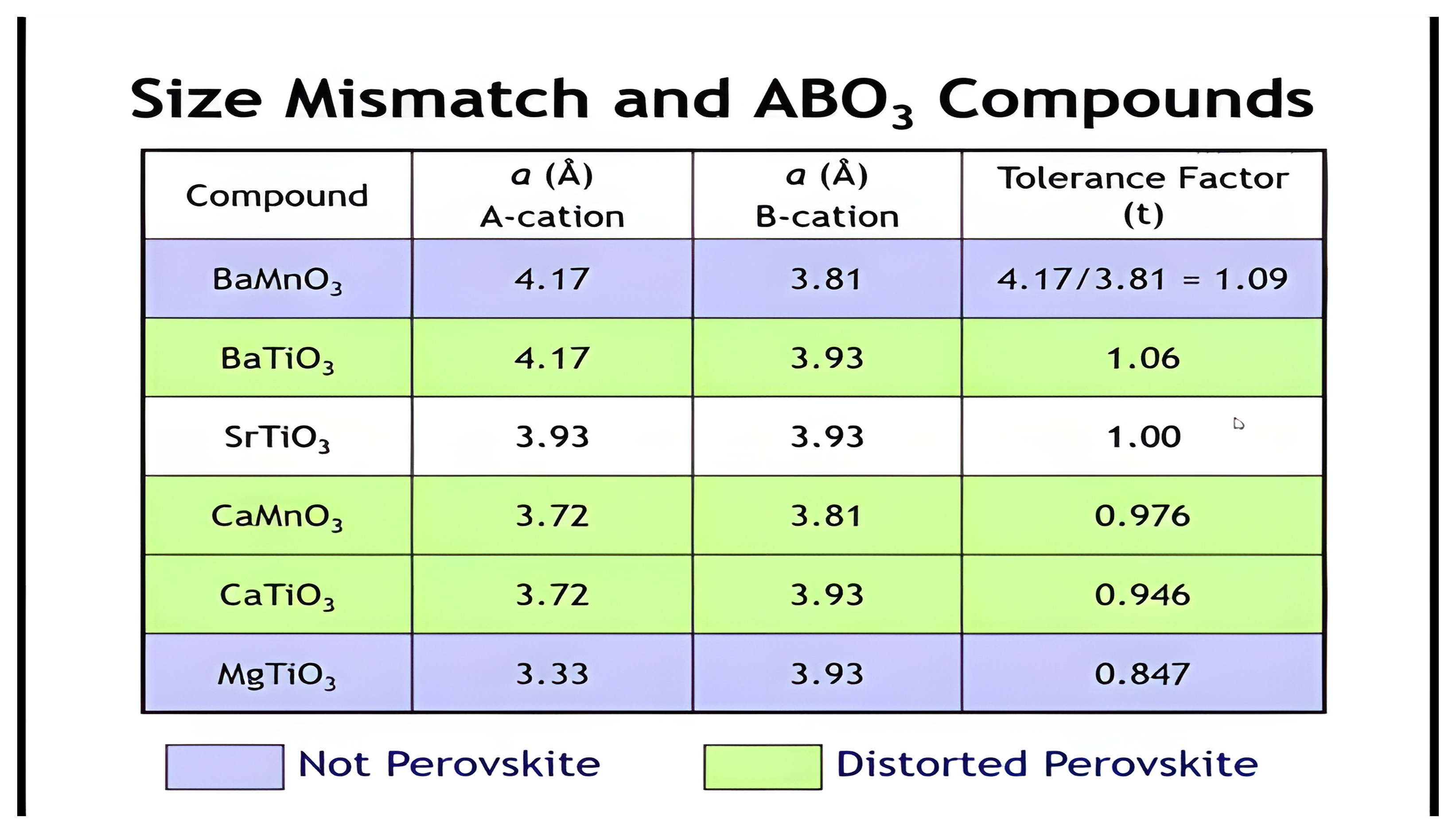
Size Mismatch and ABO3 Compounds
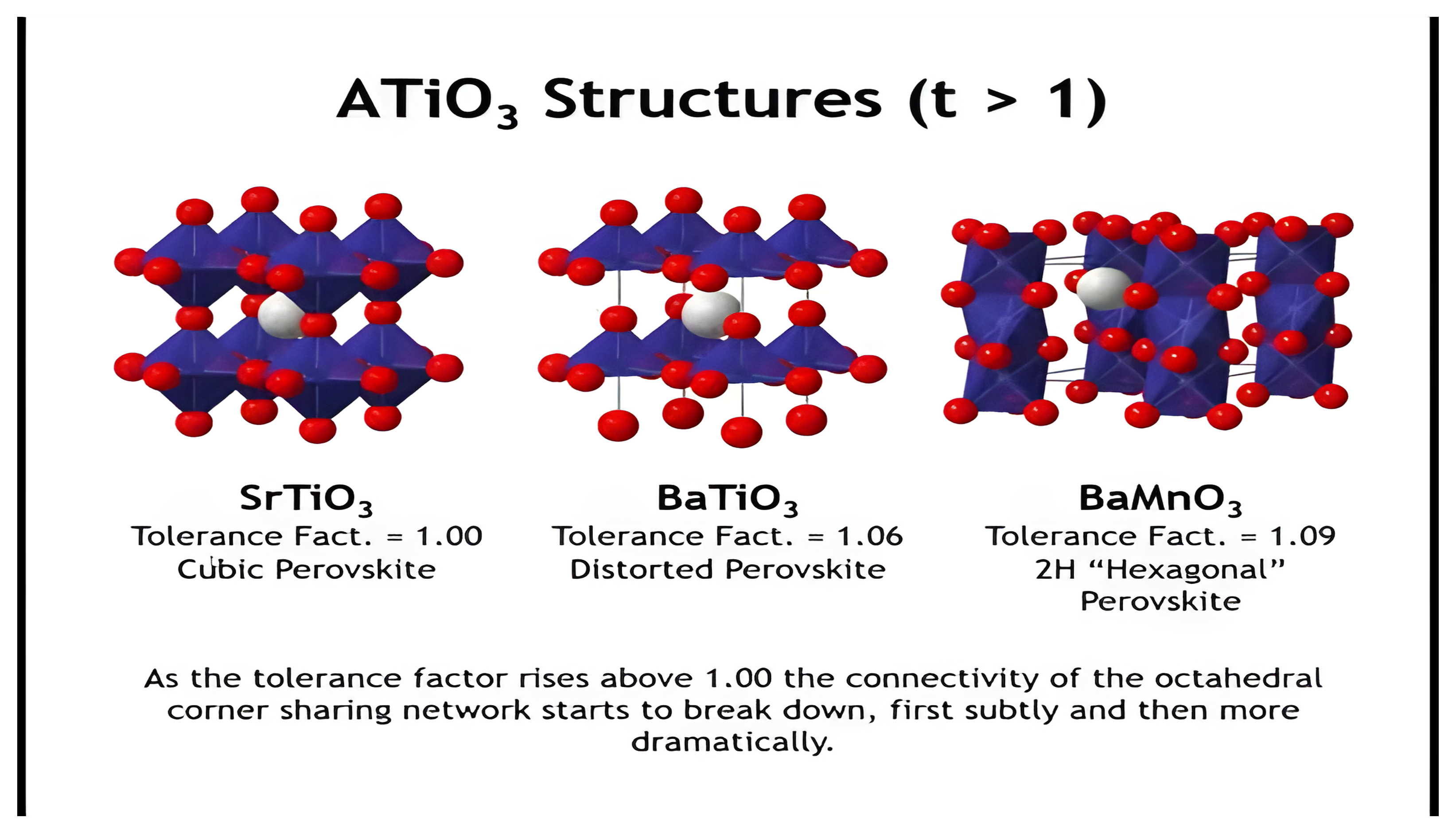
ATiO3 Structures: t > 1
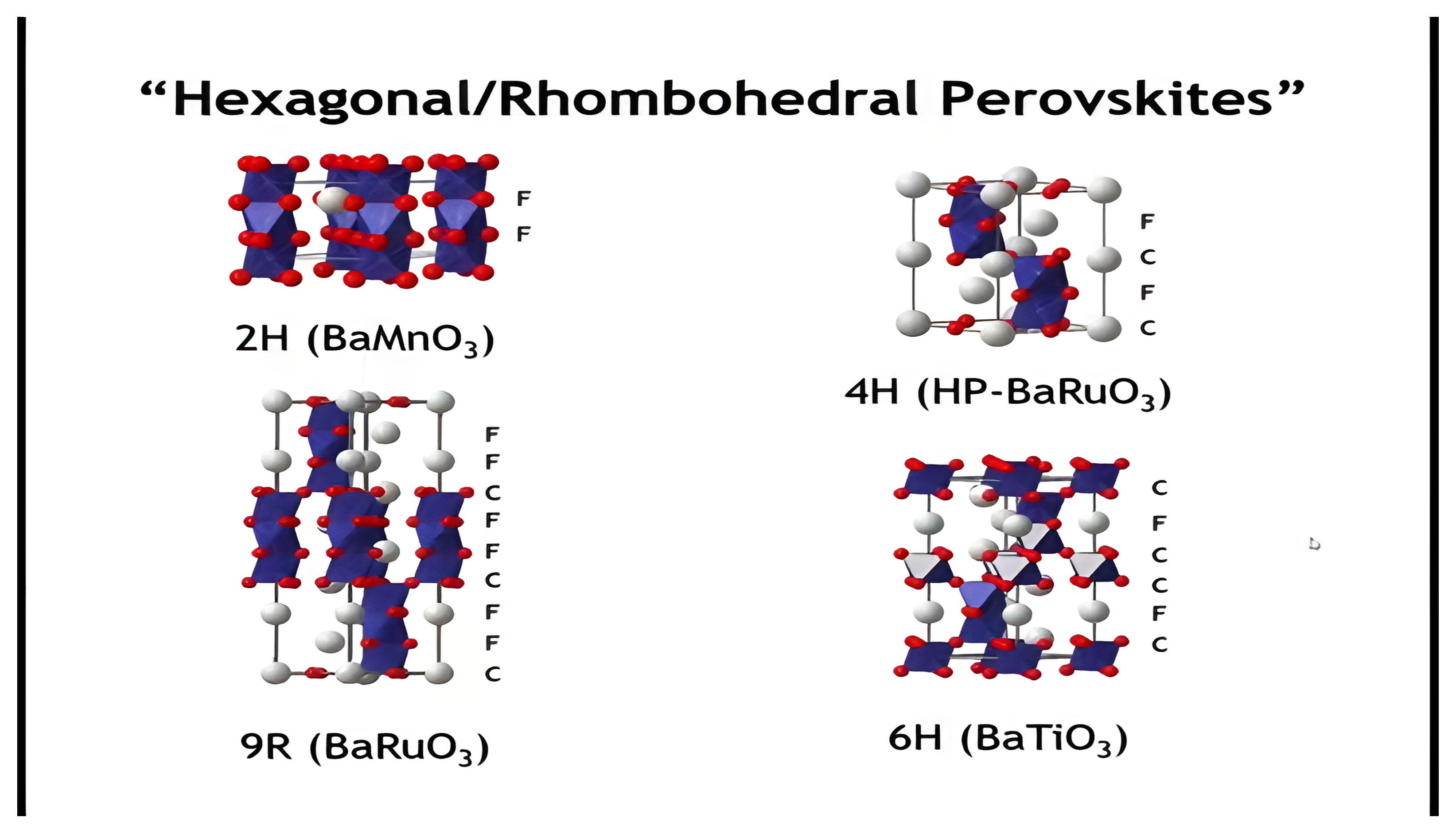
Hexagonal and Rhombohedral Perovskites
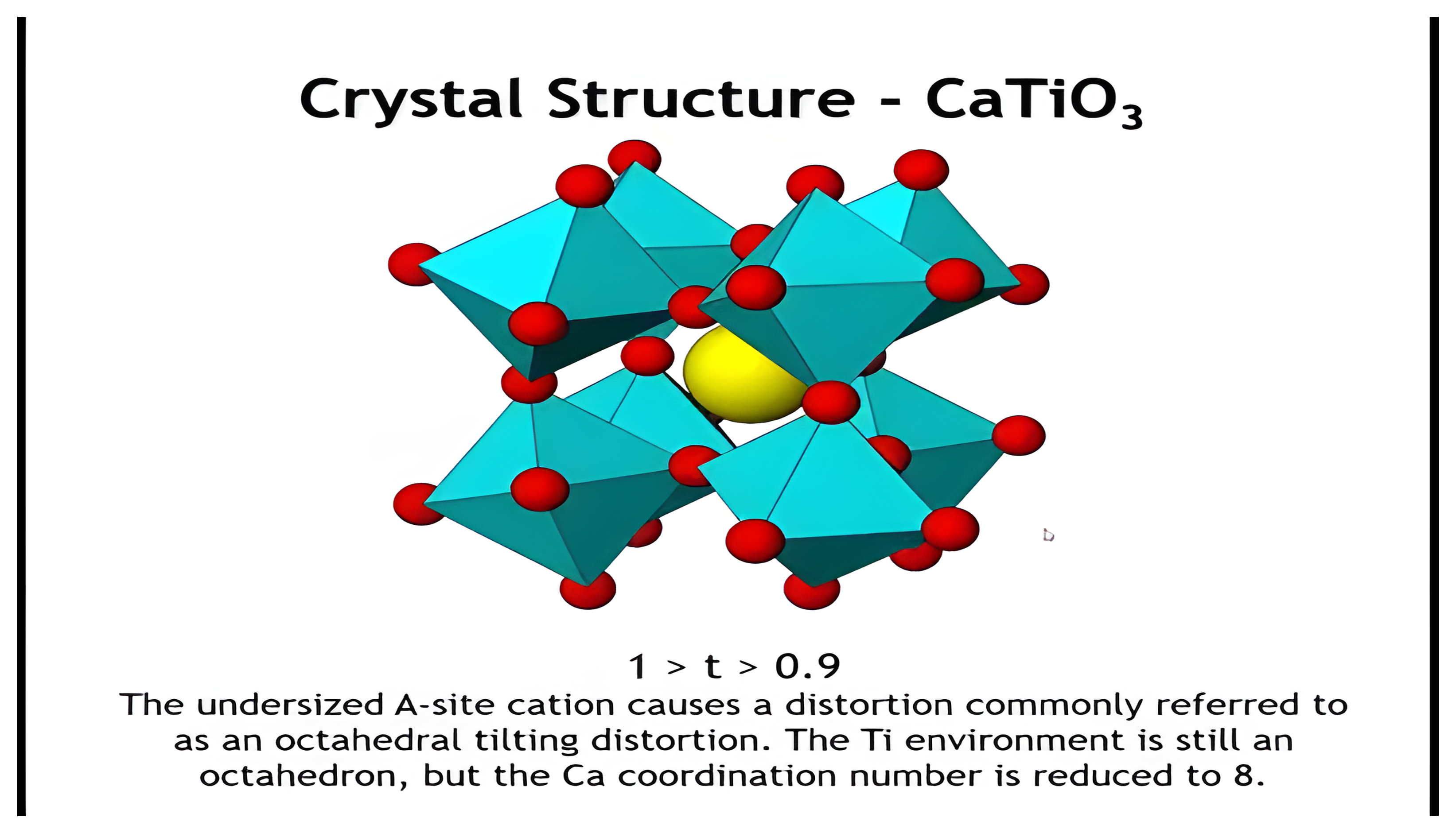
Crystal Structure: CaTiO3
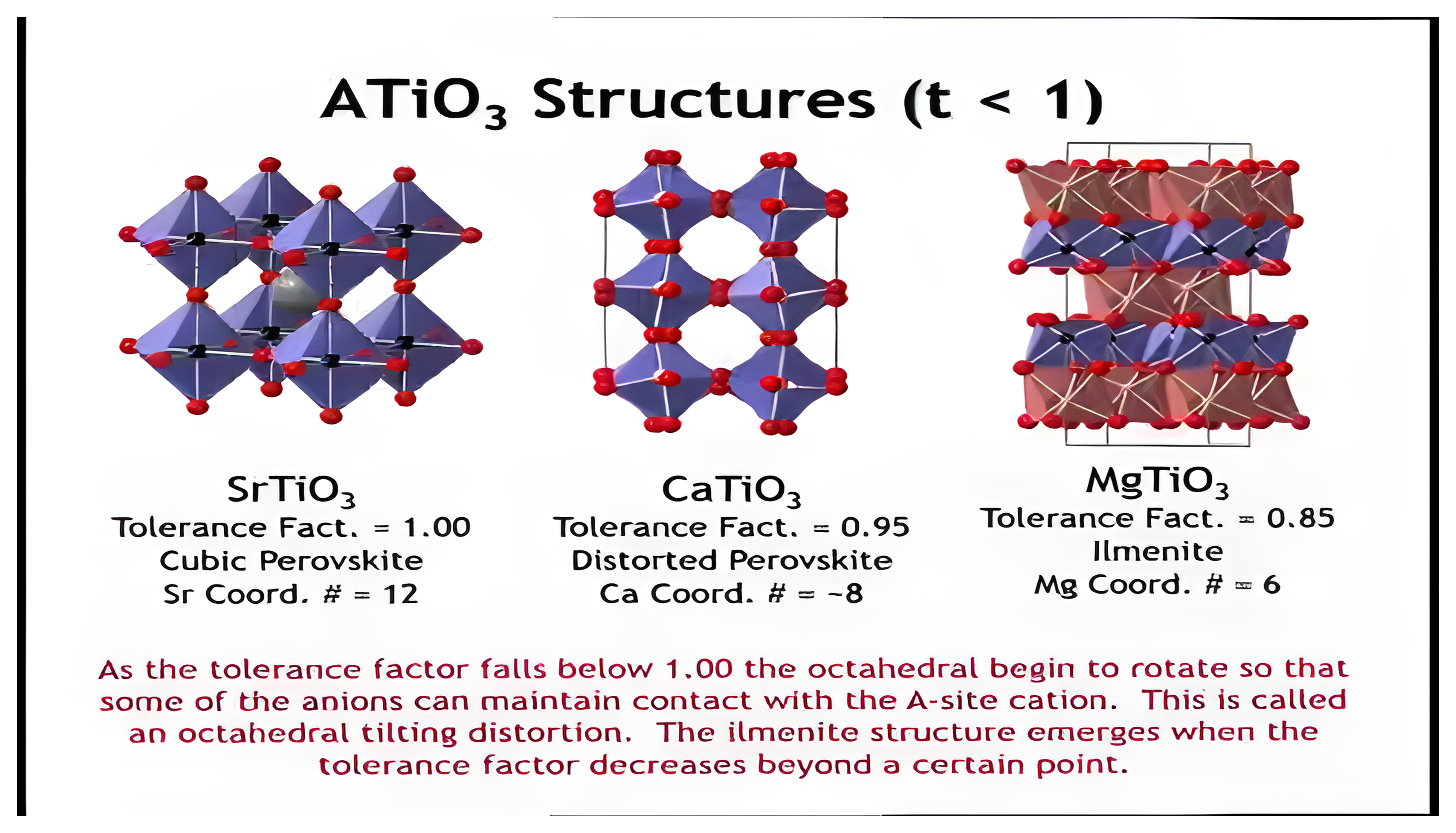
ATiO3 Structures: t < 1
Summary
- Spinel (AB2O4):
- Cubic close-packed O2− lattice.
- Normal vs. inverse site distributions.
- Important for magnetism (e.g., Fe3O4).
- Garnet (X3Y2Si3O12):
- Multiple cation sites: cubic (8), octahedral (6), tetrahedral (4).
- Technological uses: lasers (Nd:YAG), magnetic materials (YIG), gemstones.
- Perovskite (ABO3):
- Corner-sharing octahedra with A in 12-coordination.
- Stability governed by Goldschmidt tolerance factor (t).
- Distortions → ferroelectric (BaTiO3), piezoelectric, or hexagonal variants.
- Ubiquitous in functional oxides (superconductors, dielectrics, photovoltaics).
CaF2: Fluorite
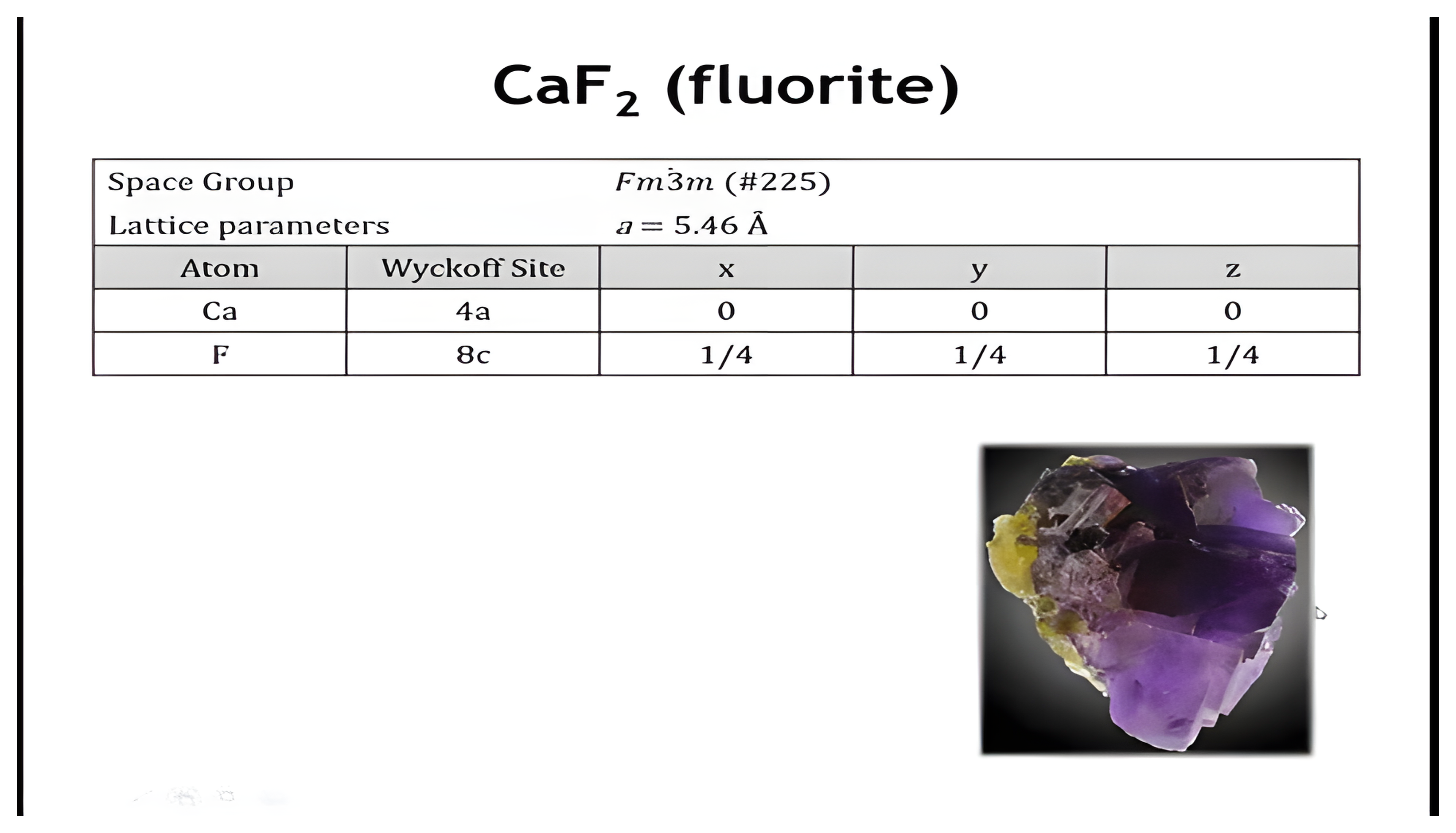
Fluorite unit cell
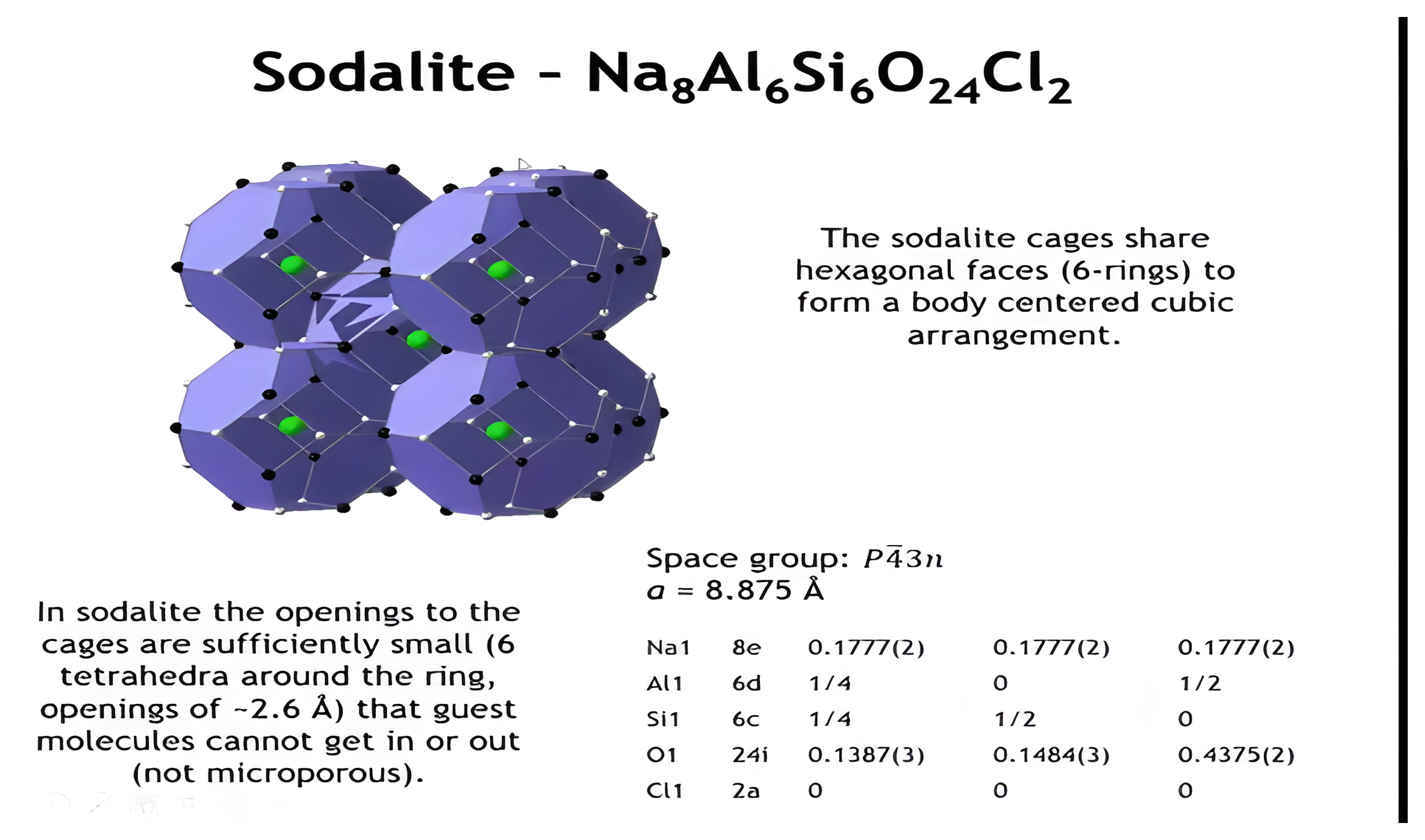
Sodalite Network
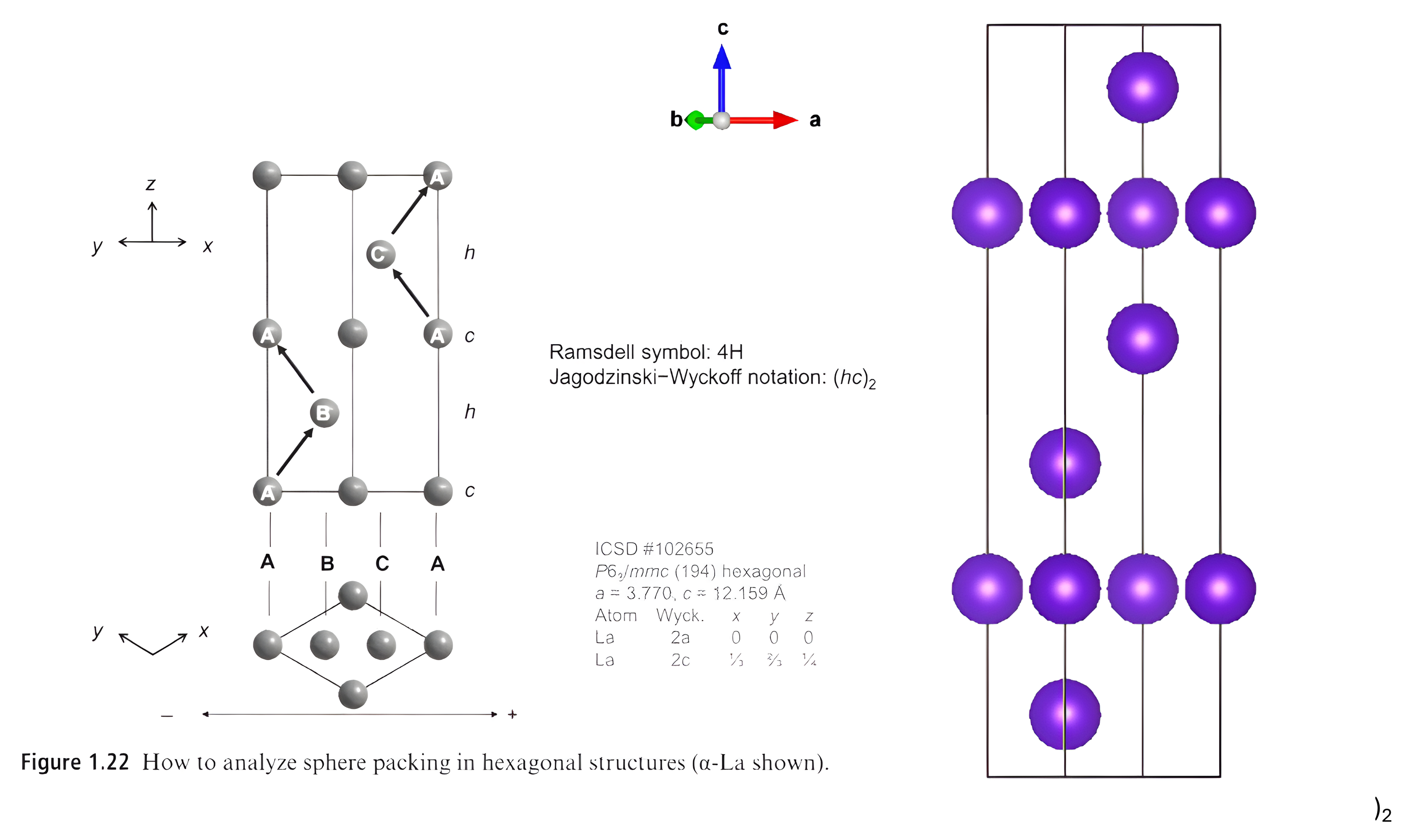
Analyzing Sphere Packing in Hexagonal Structures
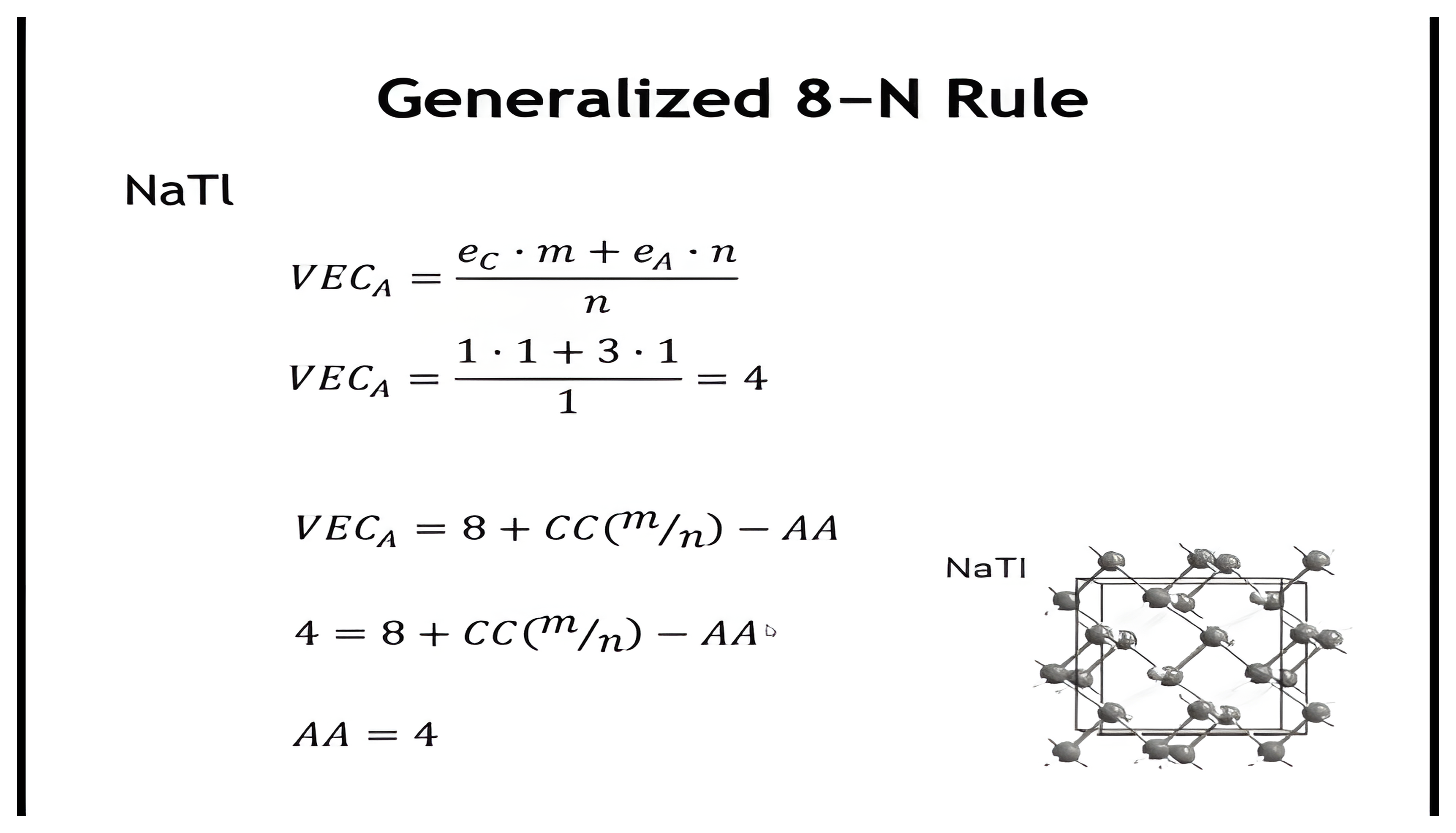
Generalized 8 minus N Rule
Practice questions
Work the Lecture 7 practice questions before the next class. They cover the spinel and garnet structures, cation site preferences, the perovskite framework, and the Goldschmidt tolerance factor.
Open the Lecture 7 practice questions
Every question carries a worked explanation, so you can check your reasoning as you go.